


Wireless Earbuds That Last: What Actually Fails and How to Buy Around It
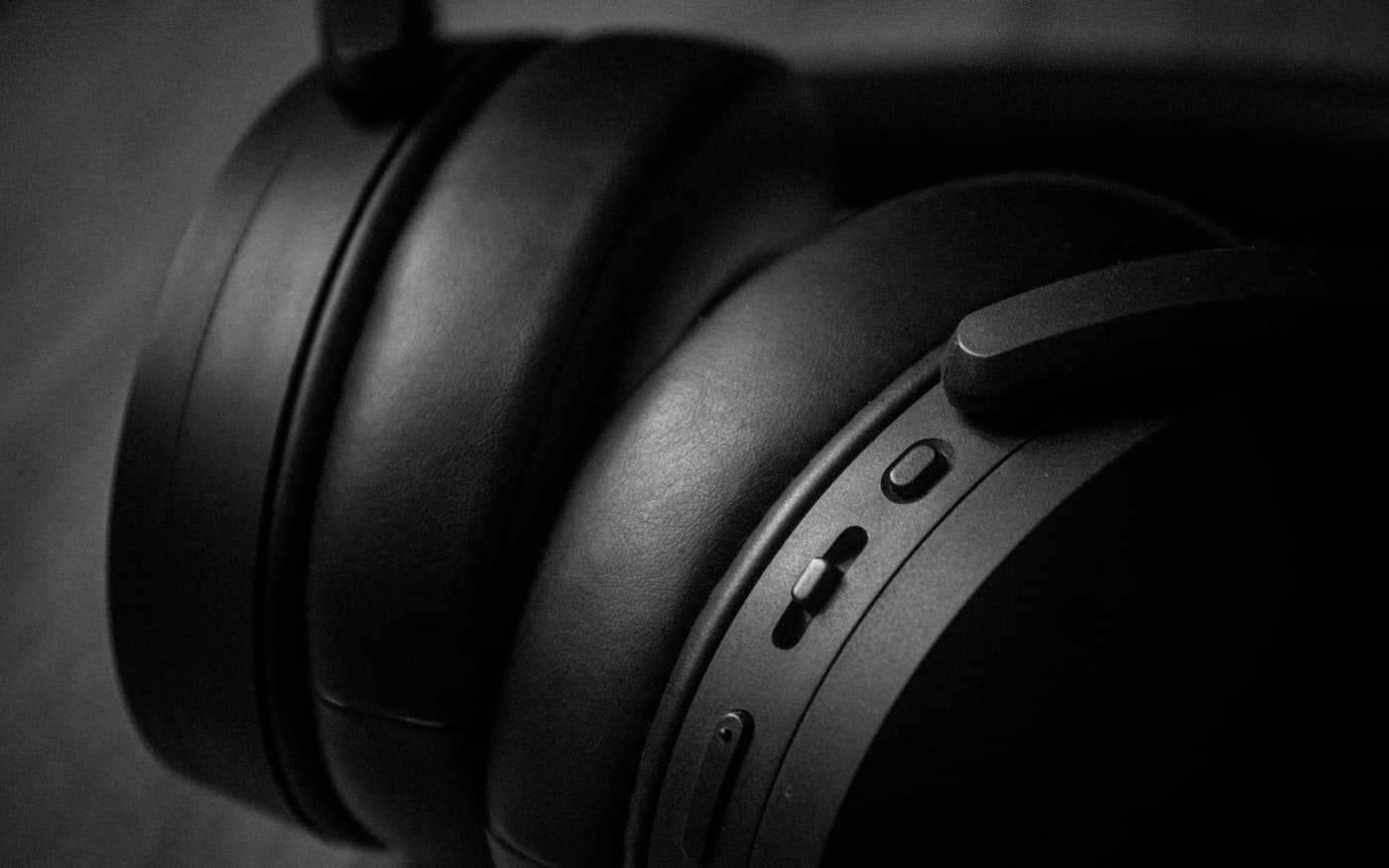
Most earbuds do not die from bad sound. They die from a swollen battery, a sloppy case hinge, or a seal that never fit your ear in the first place.
As an Amazon Associate I earn from qualifying purchases. How this works
10 guides
Each guide covers one category end to end: the specifications that change how a product performs, the ones that exist to fill a comparison table, and the failure modes worth knowing about before you buy.
Headphones, earbuds, speakers and soundbars — what separates a good driver from a well-marketed one.

Most earbuds do not die from bad sound. They die from a swollen battery, a sloppy case hinge, or a seal that never fit your ear in the first place.

Attenuation is a curve rather than a figure, transparency mode is where most designs actually fail, and the decibel claim on the box describes almost nothing you will hear.
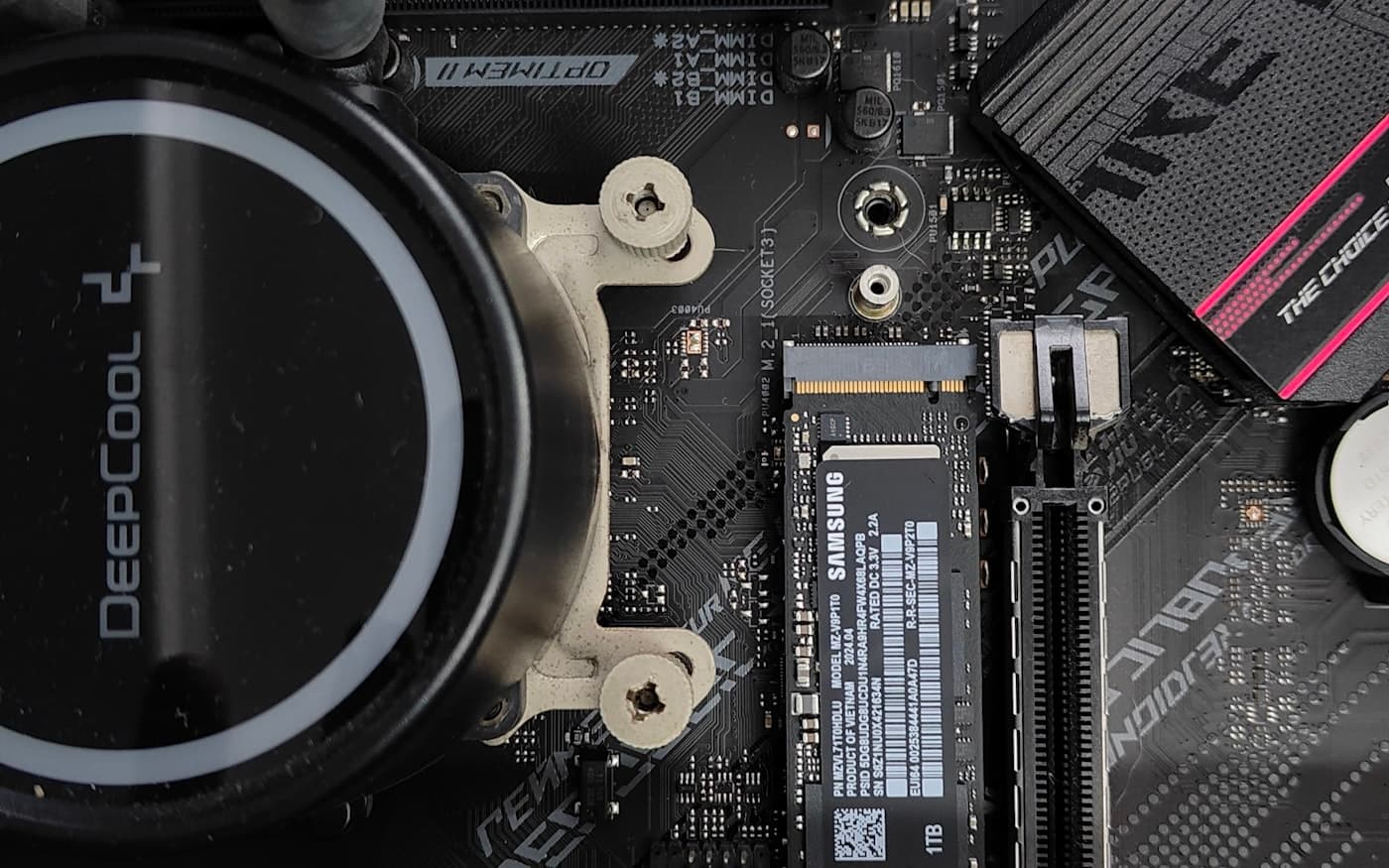
Laptops, monitors, storage and desk peripherals — the specs that predict real speed, and the ones that do not.

Panel types, the refresh rate and response time mix-up, why size and resolution are a single decision, and the stand almost nobody bothers to evaluate.

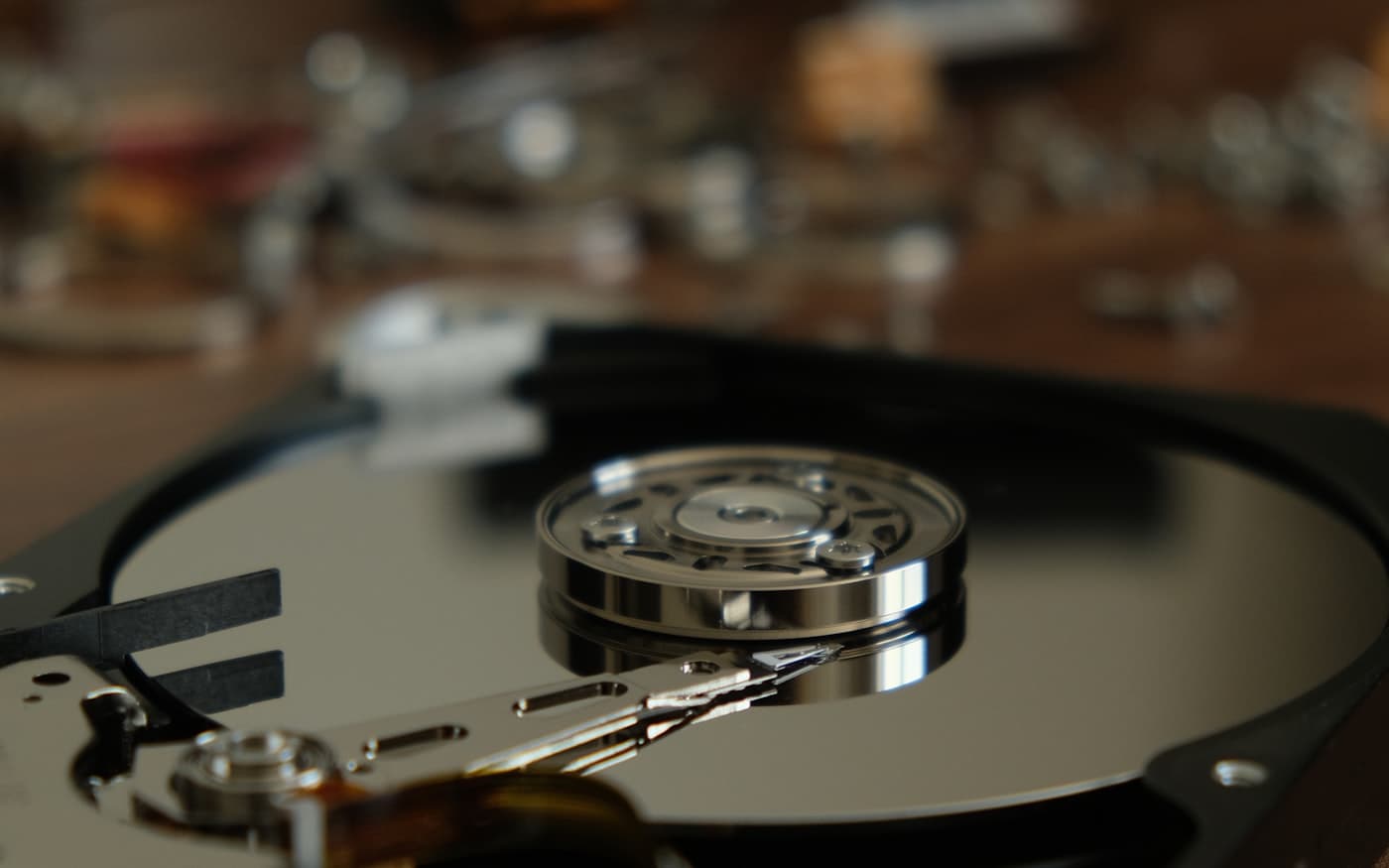
Sequential speed is the number everyone prints and the one that predicts the least. Here is what actually determines how a portable drive feels in daily use.

Linear, tactile and clicky are simpler than they sound, and the parts nobody advertises decide whether a keyboard feels expensive or hollow.
Controllers, gaming peripherals, headsets and accessories worth watching.

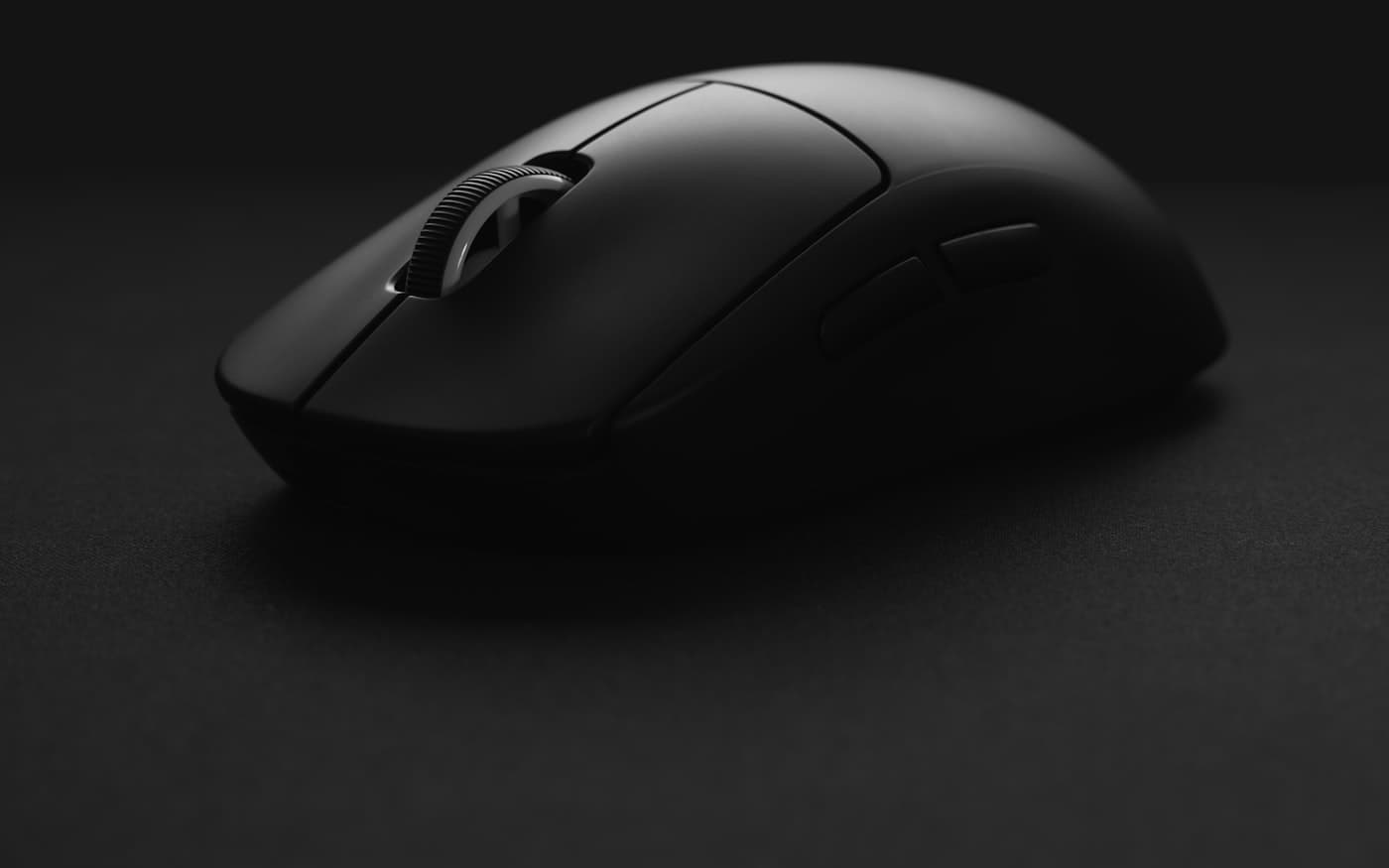
Sensors are effectively solved and wireless latency is no longer a real problem, which means shape, weight, and switch quality are the only variables left worth arguing about.
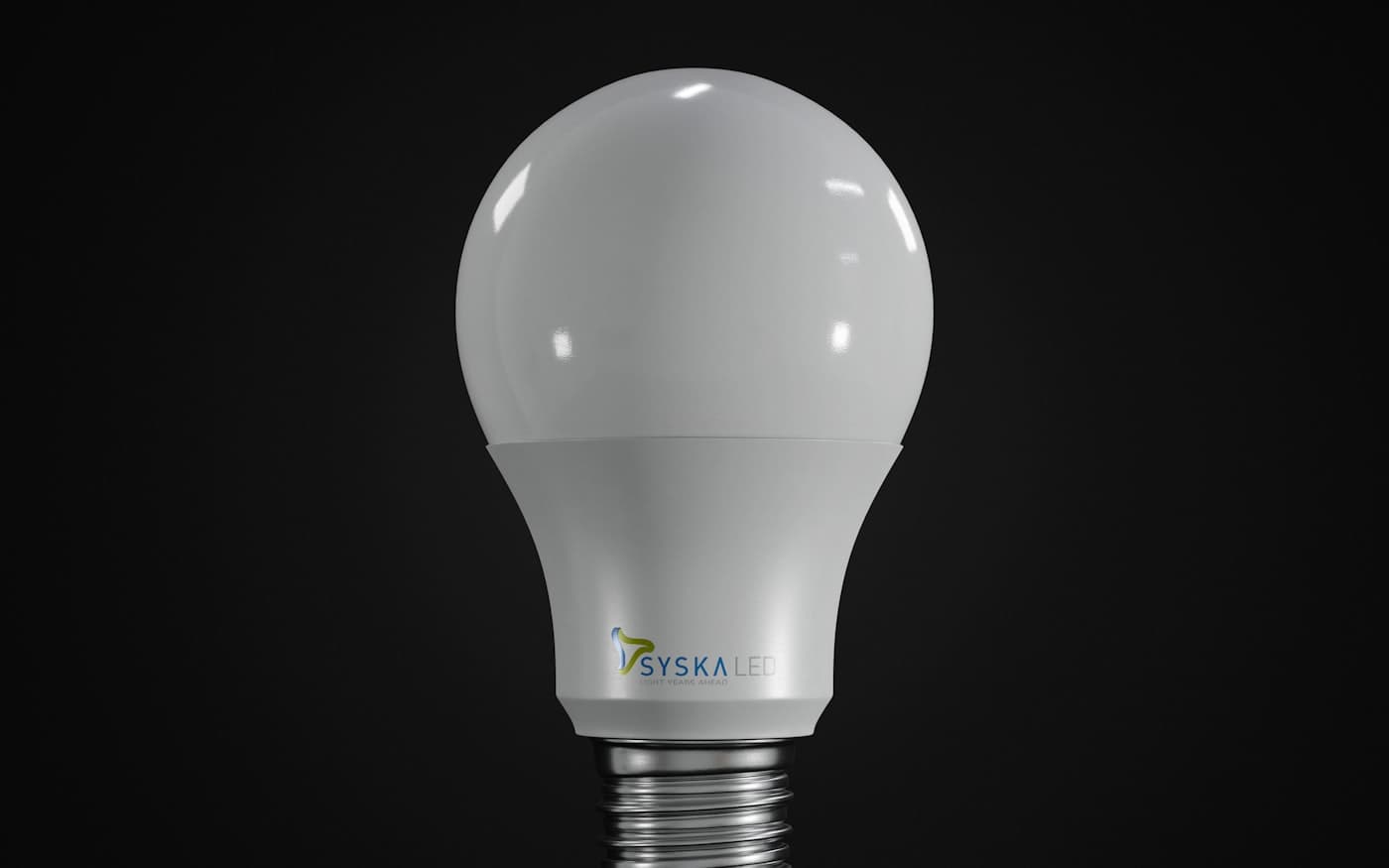
Plugs, bulbs, cameras and robot vacuums — the connected-home shelf.

How to tell local control from cloud control, what Matter and Thread actually fix, and which devices you should never let depend on someone else's server.

The gap between a budget robot and a flagship is not suction. It is navigation, brush design, and how much the dock quietly costs you every year.
Chargers, power banks, cables and wearables for phones and tablets.

The number printed on a portable charger measures energy inside the cells, not energy that reaches your phone. Here is the arithmetic the spec sheet hides.
Streaming devices, projectors, webcams and the gear around the screen.

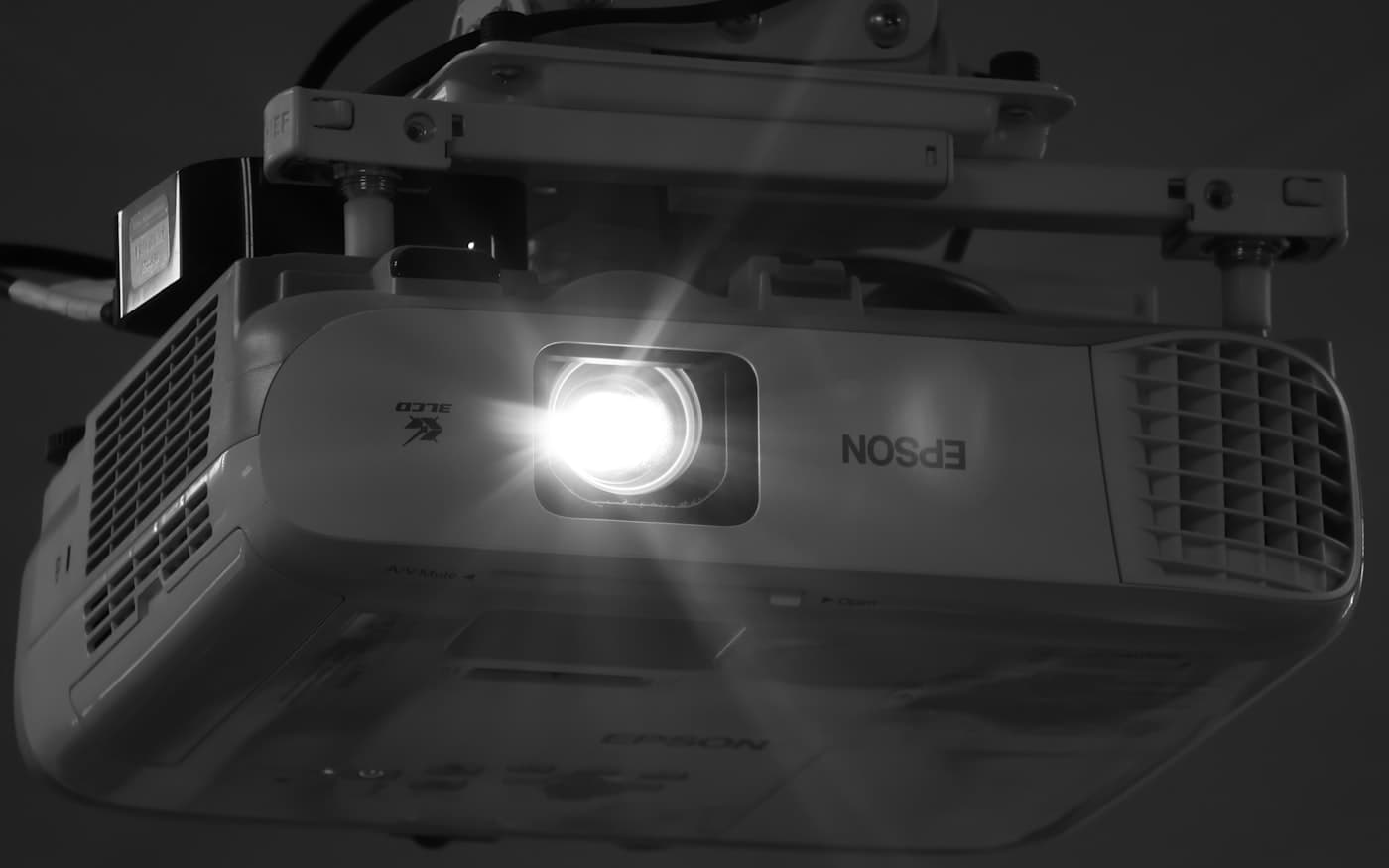
Ambient light, throw distance, and audio routing determine whether a big-screen setup works. Almost everything printed on the box is a worse predictor than a tape measure.